
Legato
-
Posts
7,053 -
Joined
-
Days Won
24
Content Type
Profiles
Forums
Events
Everything posted by Legato
-
Trump is as bent as it comes
Legato replied to Aristides's topic in Federal Politics in the United States
-
The US military does not buy Jags' they use stuff from General Dynamics, GM Defense, AM General and such.
-
It's known as bait.
-
Why do you always get things so badly wrong your chickens stops laying. In the Canadian parliamentary system, fiscal updates are voted on by the House of Commons as part of the overall budgetary process. The votes on key financial documents, including the budget and associated appropriation bills, are considered matters of confidence, meaning a government that loses one of these votes must resign or call a general election. The Voting Process Main Budget/Estimates: The primary budget and the Main Estimates (spending plans for the upcoming fiscal year) are presented to Parliament. These are eventually voted on through an appropriation bill, a proposed law that authorizes the government to spend public funds. Supplementary Estimates/Fiscal Updates: Throughout the fiscal year, if the government identifies new or additional spending needs (often announced in a fall economic or fiscal update), it presents Supplementary Estimates. These, too, are voted on via subsequent appropriation bills. Confidence Votes: The votes on these financial bills are critical because they are considered confidence votes. The government needs the support of the majority of Members of Parliament (MPs) to pass its budget and spending plans to continue governing. Ways and Means Motions: Changes to taxation proposed in a fiscal update or budget also require "ways and means motions" which are voted on and enacted through legislation (like a budget implementation bill). Role of Each Chamber House of Commons: All "money bills" (bills to impose taxes or spend funds) must originate in and be passed by the House of Commons, where the government must maintain the confidence of the elected representatives. Senate: The Senate reviews and can debate the budget and appropriation bills but, by convention, does not vote on the government's estimates or typically reject money bills passed by the House.
-
Yes all true but the BBC still charges for use of the ether.
-
Why not? Would that not be a good thing, heh, Mr. Misery. Even you would not be able to ignore the benefits.
-
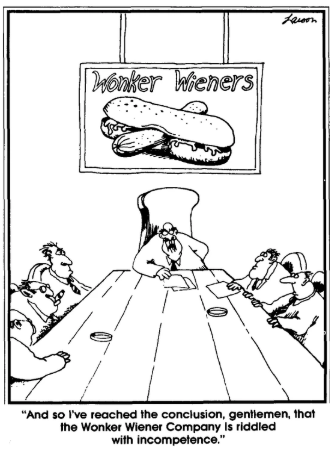
Meme/Cartoon of the Day
Legato replied to WestCanMan's topic in Federal Politics in the United States

-
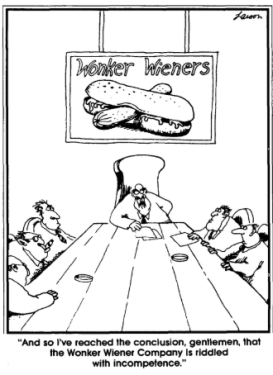
Meme/Cartoon of the Day
Legato replied to WestCanMan's topic in Federal Politics in the United States
-
I'm in Ontario. Couple of weeks ago I posted about having to wait about 12 hours to be told I needed "emergency" surgery (ruptured appendix). Last month my optician said I need cataract removal. Was given an appointment to see an eye doctor who said no, wait a couple of years and then make another appointment. Went to a private eye clinic who wanted both arms, legs and two tickets for a Maple Leafs Stanley cup game.
-
odd that, the cow didn't climb the tree this morning
-
Why Are We Doing This U.S. Vs. Canada Thing?
Legato replied to Zeitgeist's topic in Canada / United States Relations
We used to sell a lot of snow to the US but due to global boiling not so much any more. -
Was that about the time flu deaths saw a significant decrease?
-
Shakespeare was wrong. The BBC license fee that they took to the bank was originally for use of the ether.
-
and why are they catching up, maybe because we are slowing down?
-
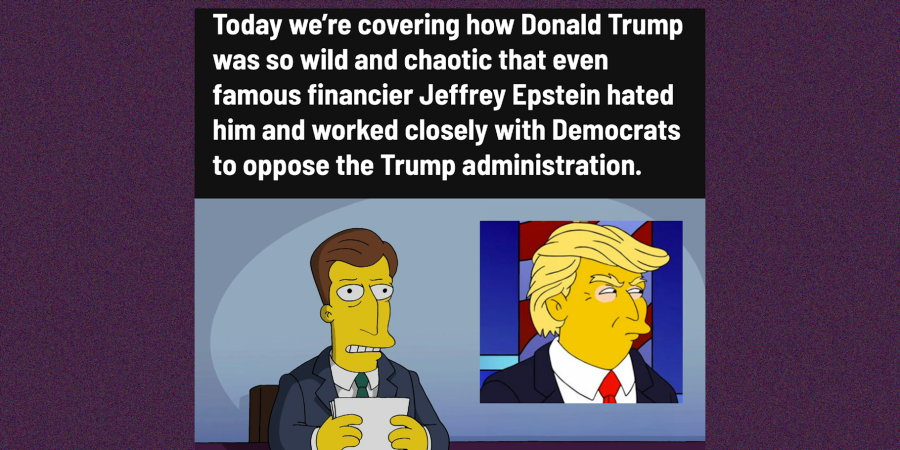
Meme/Cartoon of the Day
Legato replied to WestCanMan's topic in Federal Politics in the United States

-
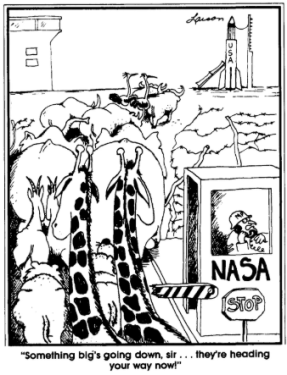
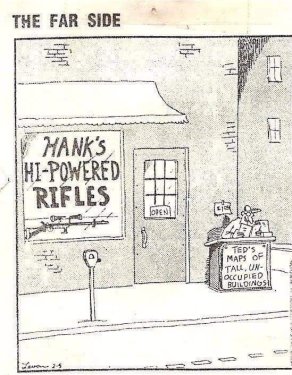
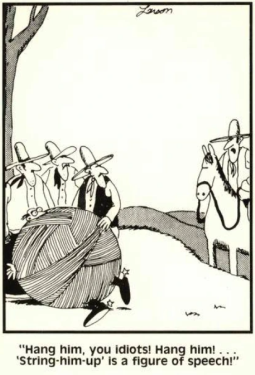
Meme/Cartoon of the Day
Legato replied to WestCanMan's topic in Federal Politics in the United States
-
Before you move the goalposts try putting them up first.
-
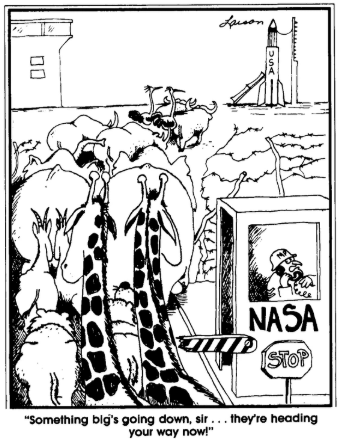
Meme/Cartoon of the Day
Legato replied to WestCanMan's topic in Federal Politics in the United States
-
Then why is the info you constantly regurgitate always missing any concrete facts.
-
Lack of Clear Operating Framework: Critics argue that Canadian foreign aid policy lacks a clear operating framework, which leads to largely unsustainable and ineffective efforts in target communities. The economic evaluation of aid effectiveness often limits agencies to short-term solutions rather than long-term systemic progress. Auditing and Tracking Issues: Global Affairs Canada, the department responsible for the majority of foreign spending, has been criticized in audits for not adequately tracking how billions of dollars in aid are spent and what results are achieved. Diffuse Spending: Canada's aid flows have historically been spread across a large number of recipient countries and projects. Review bodies, such as the OECD's Development Assistance Committee (DAC), have recommended that Canada focus its aid on fewer partner countries and specific thematic priorities to maximize impact. Specific Examples of Questioned Spending: Reports and audits have highlighted specific expenses within Global Affairs Canada that have been widely criticized as wasteful or inappropriate, including: Spending thousands of dollars on hospitality events, lavish parties, and various cultural events overseas. Allocating funds for projects with unclear tangible benefits, such as millions for "gender-responsive systems approach to universal healthcare in the Philippines" or specific workshops and musical shows. Aid Conditionality and Shifting Priorities: In the past, foreign aid has sometimes been tied to neoliberal structural adjustment programs, which have drawn criticism. More recently, the focus on a "feminist aid policy" has been challenged by some opposition MPs to provide concrete data demonstrating tangible economic benefits for Canadians or the recipient countries beyond the social goals. Fossil Fuel Subsidies Abroad: Through agencies like Export Development Canada, Canada has been one of the biggest international financiers of fossil fuel projects, which critics argue is counterproductive to climate goals and a form of "inefficient" spending that it committed to phasing out as part of G20 agreements. Do try to get informed.
-
Nice cherry picking, here's the full quote.... Admittedly, Canadian life expectancy in 2023 of 81.7 years is higher than it was in 1990 at 77.5 years, but, for the past three out of four years, it has declined in absolute terms and is not keeping up with increases in all these other nations. OECD statistics on life expectancy can be found on its website.
-
Typical attack the presenter, not the facts. Taxpayers federation has more credibility than some nefarious flying baby.
-
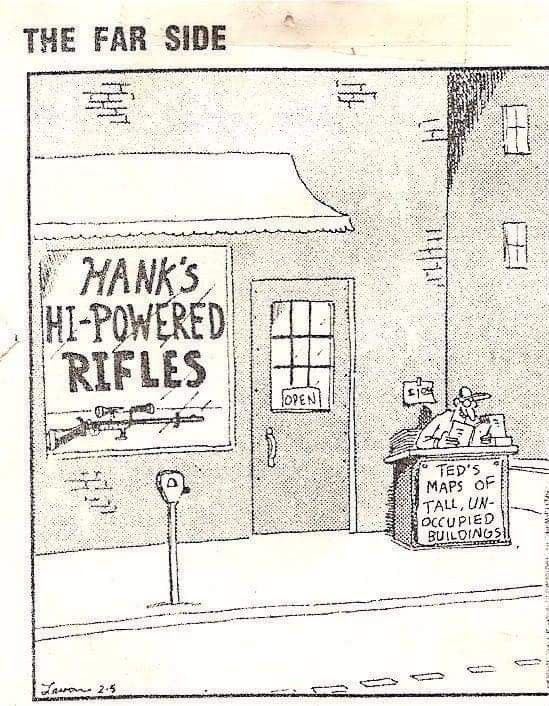
Meme/Cartoon of the Day
Legato replied to WestCanMan's topic in Federal Politics in the United States
-
What happed to those facepalm videos from your blow up doll?